
Metals - Low Alloy Steels
Comprehensive quality control and element analysis solutions for low alloy steels using master-calibrated Optical Emission Spectrometry (OES).
Accurate Elemental Analysis for Quality Control
Low alloy steels, typically containing less than 10% alloying elements (such as Carbon, Manganese, Chromium, Nickel, Molybdenum, Vanadium, and Silicon combined), are widely used to produce high-integrity pipes, automotive and aerospace bodies, railway lines, and complex offshore and onshore structural engineering plates.
High-strength low alloy steel is highly valued for its enhanced mechanical properties and superior atmospheric corrosion resistance. Accurate and fast elemental analysis is a critical requirement during steel production and casting to prevent quality deviations, satisfy international standards, and guarantee safety.
Fast & Reliable
Simultaneous determination of up to 30+ elements in under 30 seconds.
Standard Compliance
Perfectly compliant with ASTM, ISO, and global metal grade databases.
Low Alloy Steel (LAS) Master Program
Our OES solutions utilize an extensive master calibration database developed using hundreds of Certified Reference Materials (CRMs) to cover all types of carbon steels, alloy steels, cast iron, and stainless steels.
High-Strength Low Alloy (HSLA)
Optimized for high yield strength and exceptional atmospheric corrosion resistance.
Chromium-Molybdenum Steel
Engineered for high heat resistance, high pressure, and extreme durability applications.
Nickel Steels
Perfectly calibrated for cryogenic and ultra-low temperature structural applications.
Weathering Steels
Corrosion-resistant steel designed to eliminate the need for painting.
High Tensile Strength Steels
Optimized for heavy automotive, aerospace, and crane structures.
Specialty Cast Iron & High Mn Steel
Tailored elemental calibration databases for foundry casting and wear-resistant applications.
Built-in Calibration Standard Library
Ready-to-use programs for cast iron, high Mn steels, tool steels, and low alloy compositions pre-loaded into the spectrometers to minimize installation and calibration startup times.
Our High-Performance Spectrometers
Select the optimal Optical Emission Spectrometer (OES) configuration for your factory or laboratory requirements.
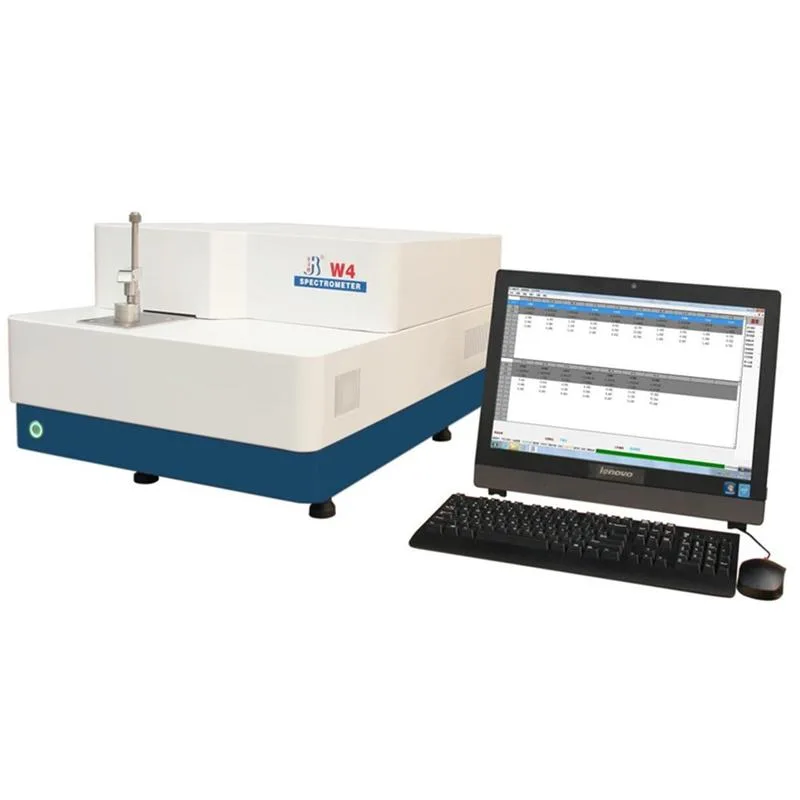
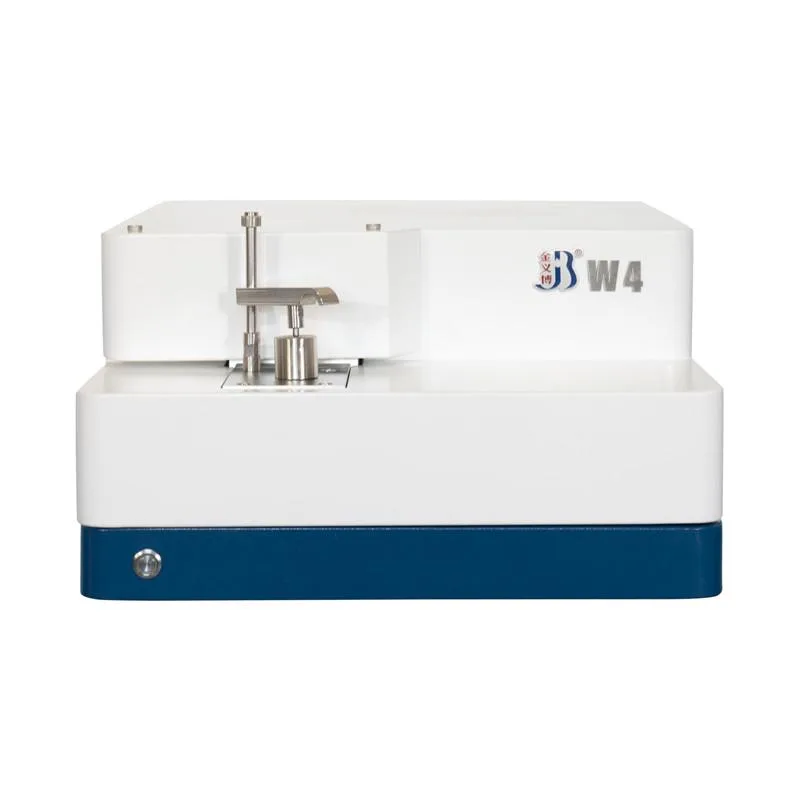
W4 OES Spectrometer
Compact spark OES with optimized cost-of-ownership
An entry-level, highly stable CMOS-readout OES spectrometer designed for small-to-medium foundries.
- Compact benchtop form-factor
- Paschen-Runge vacuum optical system
- Ferrous and non-ferrous matrix calibrations
- Low cost of ownership & maintenance
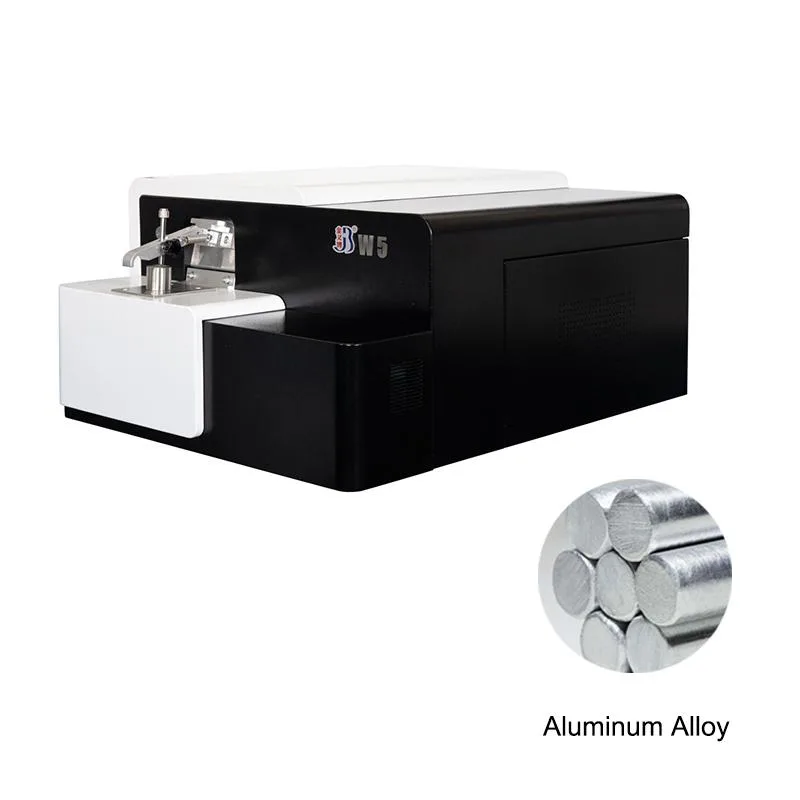
W5 OES Spectrometer
4th Generation high-performance metal analyzer
Integrates high-speed data acquisition with a thermally insulated vacuum chamber. Optimized for detecting light elements in ultra-low concentrations.
- Ultra-low limits of detection (sub-ppm)
- High Nitrogen analysis capability (0.03% - 0.9%)
- Standardized parameter auto-correction
- Intelligent argon-saving standby mode
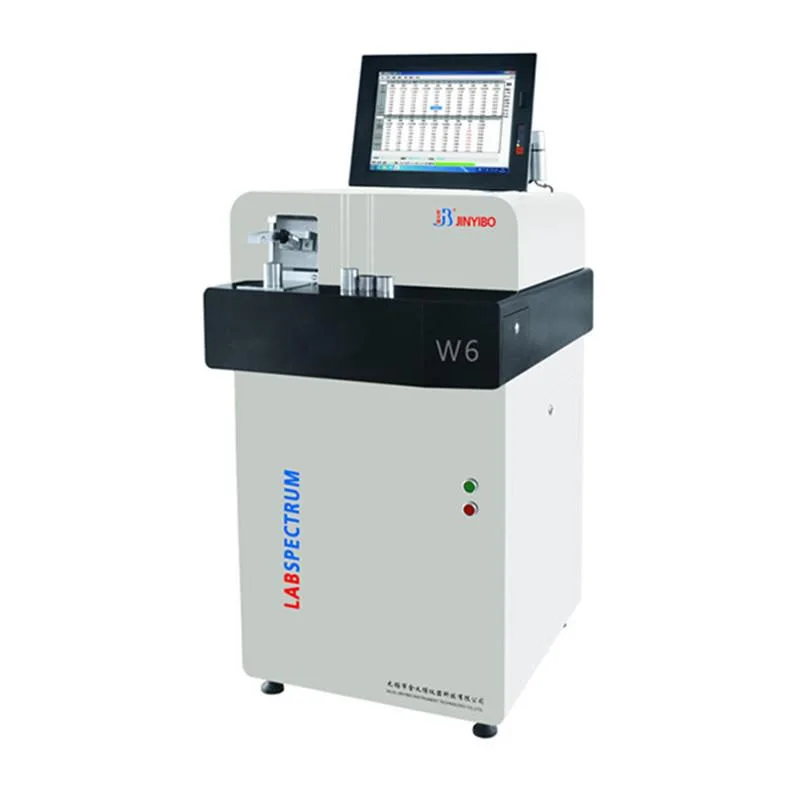
W6 OES Spectrometer
The absolute standard for research-grade metallurgy
Flagship vertical OES spectrometer, designed for high-end laboratories. Offers absolute precision across a wide wavelength spectrum.
- Vertical Paschen-Runge double optical chamber
- Deep-cooled back-thinned CCD array (120nm - 800nm)
- Supports up to 12 base calibrations (Fe, Cu, Al, Ni, Ti)
- High-energy pre-combustion technology (HEPS)
Need assistance setting up your steel QC program?
Our expert engineers are based locally in Pakistan, providing quick setup, calibration standard disk matching, and complete on-site spectrometer maintenance.